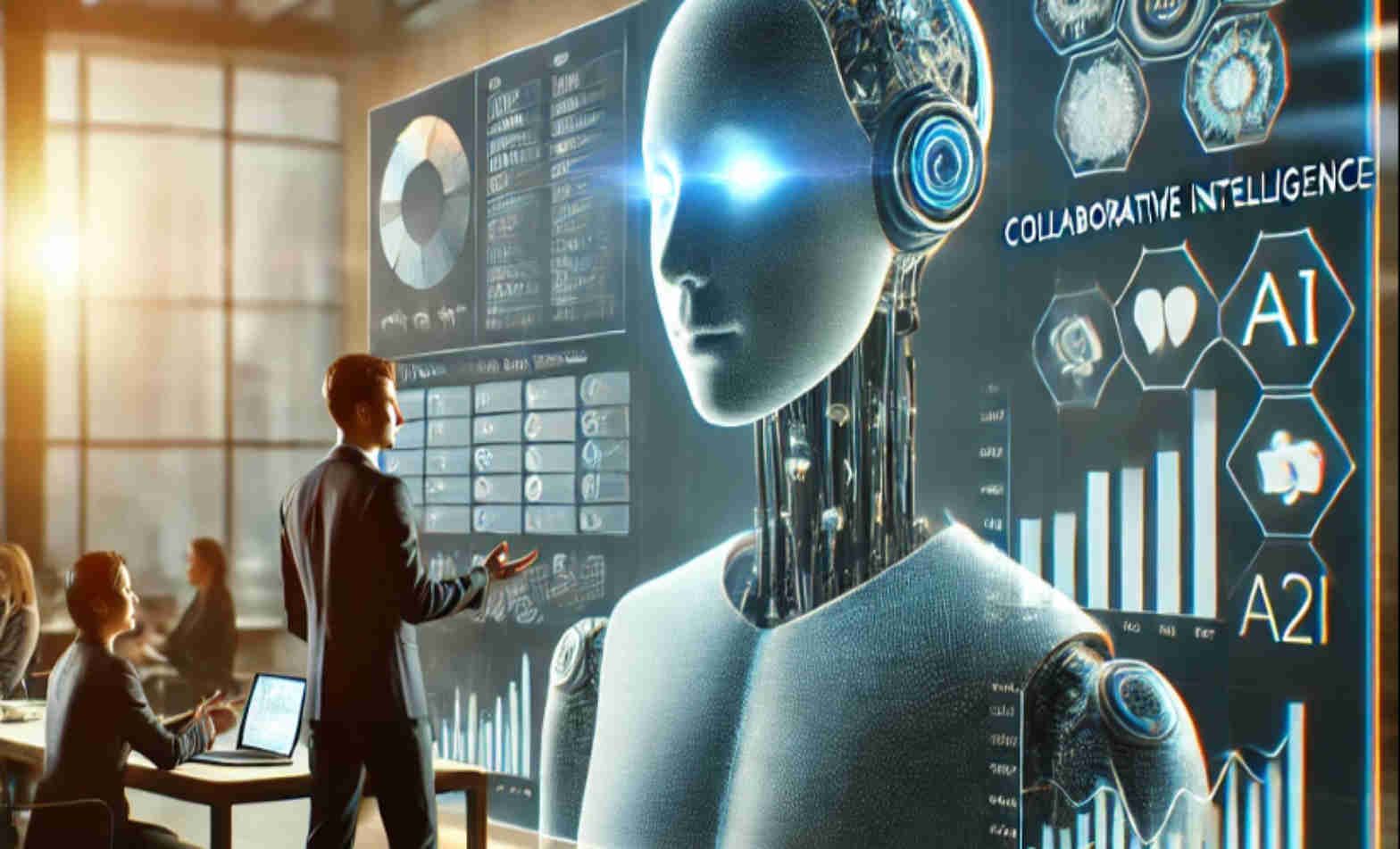
How Artificial Intelligence is Changing how we work

Artificial Intelligence (AI) is no longer a distant or futuristic concept—it is already reshaping how we work across industries. From automating repetitive tasks to assisting with decision-making and creativity, AI is transforming workplaces faster than any previous technological shift. Rather than replacing humans entirely, AI is redefining roles, workflows, and the skills we need to succeed.
Automation of Repetitive Tasks
One of the most visible impacts of AI is automation. Tasks that once required hours of manual effort—such as data entry, scheduling, invoice processing, and basic customer support—can now be handled by AI-powered systems.
This allows employees to focus on higher-value work like problem-solving, strategy, and innovation. In many cases, AI acts as a digital assistant that speeds up routine work rather than eliminating jobs altogether.
Smarter Decision-Making
AI excels at analyzing large amounts of data quickly and accurately. In the workplace, this means better insights and faster decisions.
For example:
Businesses use AI to predict customer behavior and market trends.
HR teams rely on AI to analyze hiring patterns and workforce performance.
Finance teams use AI to detect fraud and forecast risks.
By providing data-driven recommendations, AI helps humans make more informed and confident decisions.
New Ways of Collaborating
AI tools are changing how teams collaborate. Smart meeting assistants can summarize discussions, transcribe conversations, and highlight action items. Project management tools use AI to prioritize tasks and predict delays.
Remote and hybrid work has also benefited from AI-powered communication tools that improve productivity and reduce friction across distributed teams.
AI as a Creative Partner
Contrary to the belief that AI only handles technical tasks, it is increasingly supporting creative work. Writers, designers, marketers, and developers now use AI to generate ideas, draft content, create visuals, and write code.
In this role, AI functions as a co-creator, accelerating the creative process while leaving final judgment and originality in human hands.
Shifting Job Roles and Skills
As AI takes over certain tasks, job roles are evolving. Many positions now require a mix of domain expertise and the ability to work effectively with AI tools.
Skills that are becoming more valuable include:
Critical thinking
Problem-solving
Creativity
Emotional intelligence
AI literacy and prompt-writing
Lifelong learning is becoming essential as workers adapt to continuously changing tools and workflows.
Challenges and Ethical Considerations
While AI brings efficiency and opportunity, it also raises important concerns. Job displacement, data privacy, algorithmic bias, and transparency are critical issues organizations must address.
Responsible use of AI requires clear policies, ethical guidelines, and human oversight to ensure technology benefits both businesses and employees.
The Future of Work with AI
The future of work is not about humans versus machines—it is about humans working with machines. AI will continue to handle speed, scale, and data, while humans provide judgment, empathy, creativity, and leadership.
Organizations that embrace this collaboration will be better positioned to innovate, adapt, and thrive in an AI-driven world.